
Contractor Engagement for LMS Rollout in a Hospital Environment
Sector: Healthcare
Practice: DeliveryAssure — LMS Implementation and Compliance Data Governance in a Regulated Healthcare Environment
Objective: Assure the delivery of a hospital-wide Learning Management System rollout — resolving critical data hygiene issues, governing the migration of compliance-critical training records, and establishing a clean foundation for long-term training and compliance management.
When Compliance Data Cannot Afford to Be Wrong
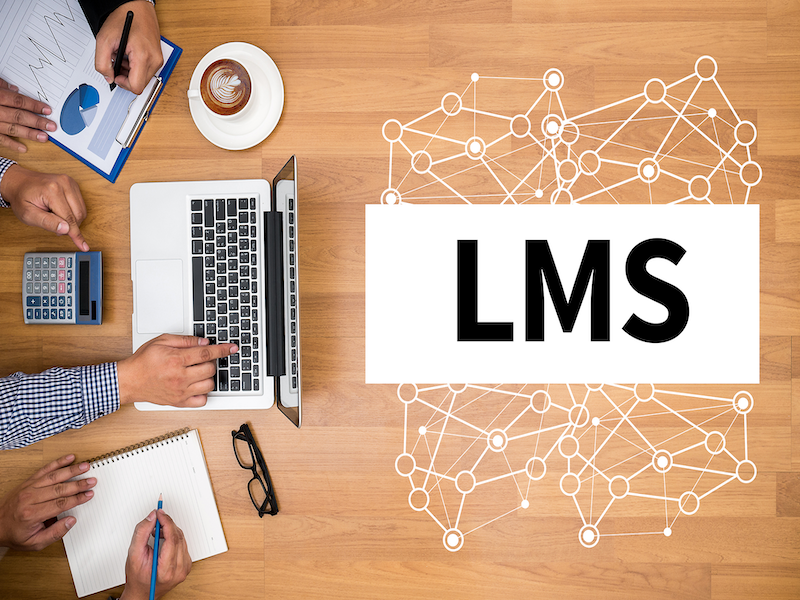
A large metropolitan hospital was upgrading its staff training and compliance framework by introducing a modern Learning Management System. The new platform would centralise course delivery, streamline compliance reporting, and improve staff access to mandatory and elective training — a critical capability in a healthcare environment where training compliance is directly linked to patient safety obligations and regulatory standing.
The migration path was not straightforward. Data from multiple legacy systems carried significant hygiene issues — inconsistent staff records, duplicated profiles, mismatched identifiers, and outdated training completions. In a standard IT project these would be manageable. In a hospital compliance context they were not. Inaccurate training records at go-live would immediately compromise the integrity of mandatory compliance reporting, creating regulatory risk and administrative burden from day one. The hospital needed a specialist who understood both LMS implementation and the governance stakes of getting the data right.
The 123.EXPERT Approach
123.EXPERT sourced and engaged a specialist network contractor with a proven track record in healthcare LMS implementation and complex data migration — deployed under structured delivery oversight consistent with 123.EXPERT’s assured delivery model. Working alongside the hospital’s IT and Learning and Development teams, the specialist:
- Detailed audit of legacy data conducted — identifying duplicate records, incomplete profiles, and mismatched identifiers across multiple source systems before any migration activity commenced.
- Data cleansing process designed to standardise records and remove redundancies — establishing a single, accurate source of truth for staff training history and compliance status.
- Mapping rules developed to align legacy system fields with the new LMS schema — ensuring historical training completions were correctly attributed and compliance records remained intact through the transition.
- Trial migrations coordinated to validate data accuracy, user permissions, and course enrolments before the final import — identifying and resolving issues in a controlled environment rather than at go-live.
- Final data import overseen with minimal disruption to ongoing training programmes — maintaining continuity of mandatory compliance training throughout the transition period.
- Data governance training delivered to Learning and Development staff — embedding practices to maintain record accuracy in the new system beyond the implementation engagement.
Outcome
The hospital launched the new LMS on schedule, with clean consolidated user records and accurate historical training data intact. Compliance reporting accuracy improved immediately — reducing administrative burden on managers and Learning and Development staff and providing a reliable foundation for mandatory compliance tracking.
The data governance work proved to be the most consequential element of the engagement. In a healthcare environment, training compliance records are not administrative housekeeping — they are evidence of organisational due diligence. Getting them right at go-live, and establishing practices to keep them right going forward, directly supports the hospital’s regulatory standing and its ability to demonstrate compliance when it matters most.
The clean, well-structured data foundation established through the migration also positions the hospital to take advantage of AI-driven learning analytics and automated compliance monitoring as these capabilities mature in modern LMS platforms — without the technical debt of a messy data estate undermining their accuracy.
Through 123.EXPERT’s network-based delivery model, the hospital gained targeted LMS and data governance expertise without diverting internal clinical or administrative resources from patient care priorities — and without the overhead of a large consulting engagement for what was, at its core, a precision delivery problem requiring the right specialist.
